

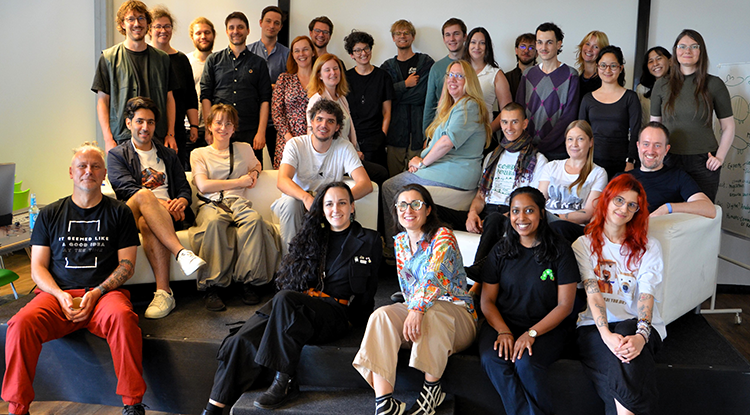
From August 31 to September 2, 2026, Cologne Game Lab hosted the STRATEGIES Summer School on Ecological Games & Responsible Development, bringing together an international group of game designers and early-career researchers from three continents to explore how games can contribute to more sustainable and responsible futures.
Over three intensive days, participants moved from discussing ecological knowledge and the environmental impact of games towards concrete strategies for action. The programme focused on two interconnected questions: how can games engage with ecological and political imaginaries, and how can games be developed with material, ethical and political responsibility in mind?

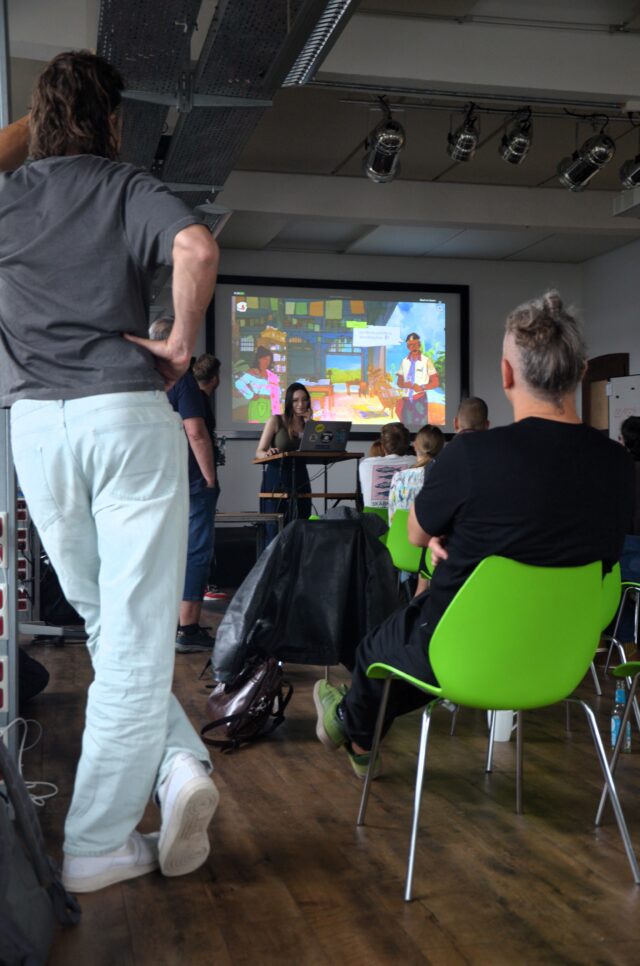
Keynotes and discussions featured perspectives from scholars and industry practitioners including Estrid Sørensen, Paweł Frelik, Stefan Werning and Joost Raessens, alongside a panel discussion with Lukáš Kolek, Alison Harvey and Thorsten Busch on the kinds of game development needed for future planetary challenges.
The hands-on workshops turned these questions into practice. Joost Vervoort and Speculative Agency explored the making of challenging political games, while Odile Limpach focused on communicating and pitching ideas and values. Maria Wagner of the Sustainable Games Alliance addressed responsible decision-making in game development, and Lukáš Kolek and Charles Games explored how games can be designed for specific social and environmental purposes.


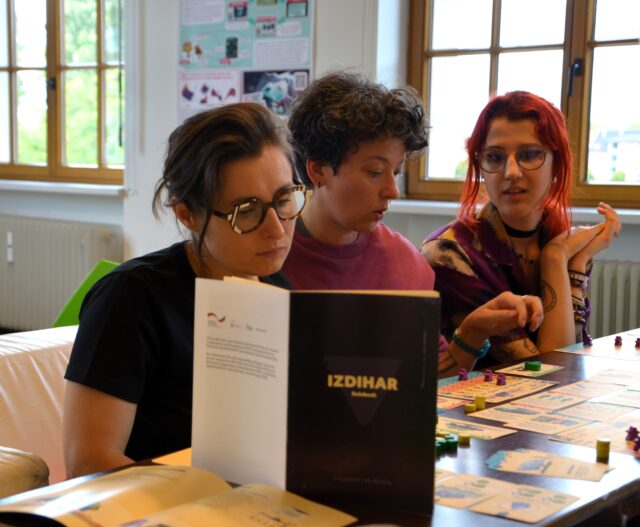
The programme also included academic poster sessions and opportunities to play and discuss games with their creators. A dedicated game night brought together Summer School participants and students from the Cologne Game Lab, showcasing projects that explored alternative futures, ecological knowledge, collective action and ways of moving beyond extractivist approaches to game production and design.
Organised by Prof. Dr. Sonia Fizek and Dr. Ruth Dorothea Eggel from CGL, the Summer School offered three days of intensive exchange across disciplines, practices and geographical perspectives. Above all, it created space to think critically and creatively about how games might help us imagine, prototype and work towards different planetary futures.